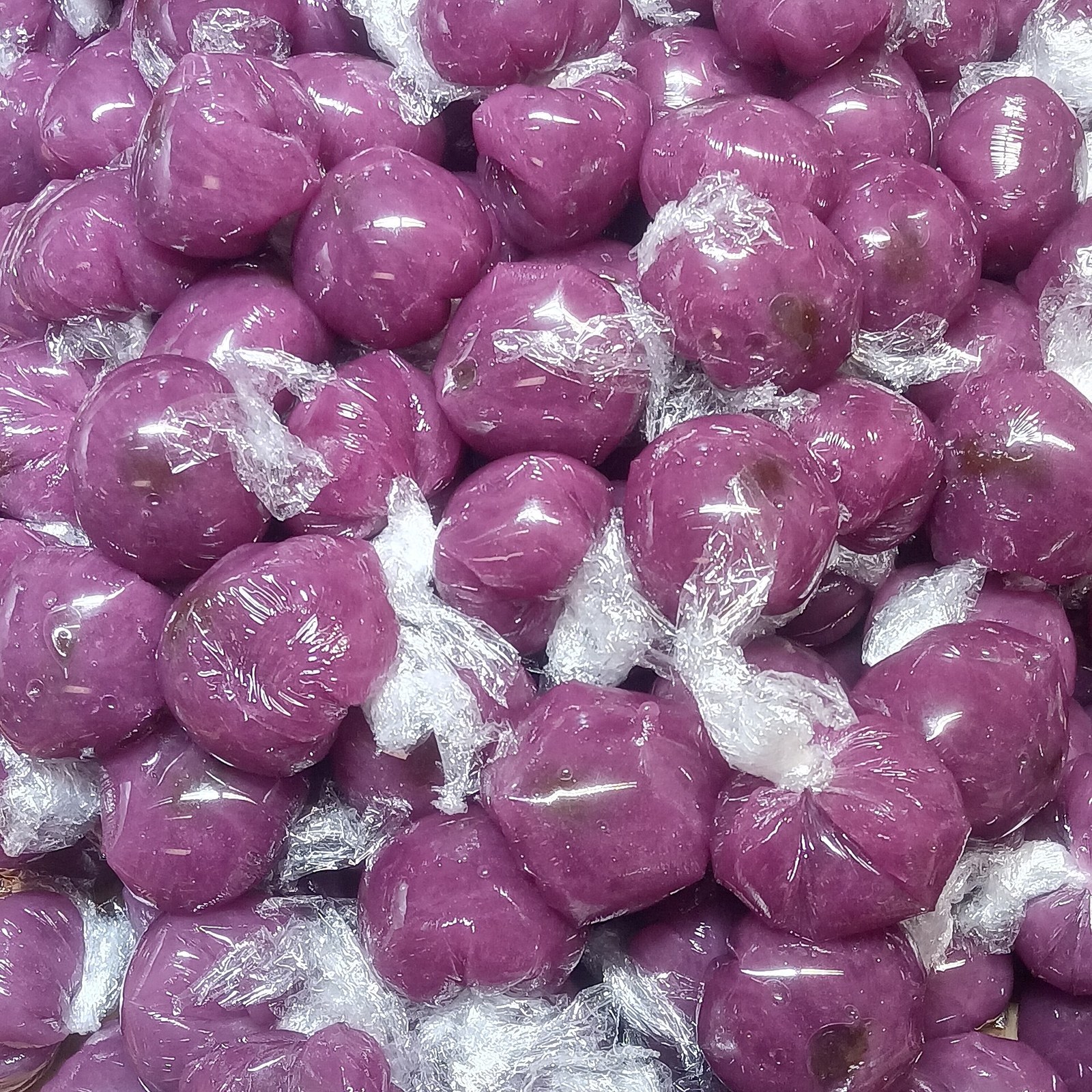
Kue Mochi Ubi: Sweet Potato Mochi
Soft, chewy mochi cakes filled with sweet potato paste.
📑 In This Guide
💡 Did You Know?
This authentic recipe has been passed down through generations, preserving the rich flavors of Indonesian cuisine.
🛒 Ingredients
- 200 g glutinous rice flour
- 150 g sweet potato, steamed and mashed
- 100 g sugar
- 100 ml coconut milk
- Cornstarch for dusting
👨🍳 Instructions
- Mix glutinous rice flour with water and sweet potato.
- Steam the dough for 20 minutes.
- Knead until smooth and elastic.
- Dust with cornstarch and shape into small balls.
- Let cool and serve.
❓Frequently Asked Questions
What is Kue Mochi Ubi: Sweet Potato Mochi?
Soft, chewy mochi cakes filled with sweet potato paste.
Where does Kue Mochi Ubi: Sweet Potato Mochi come from?
Kue Mochi Ubi: Sweet Potato Mochi originates from Indonesia. It is a beloved traditional dish that has been passed down through generations of Indonesian cooks.
Is Kue Mochi Ubi: Sweet Potato Mochi difficult to make?
Kue Mochi Ubi: Sweet Potato Mochi requires moderate cooking skills. While the steps are clear, some techniques need practice.
Can I use light coconut milk for Kue Mochi Ubi: Sweet Potato Mochi?
While light coconut milk can be used, the traditional recipe calls for thick coconut milk (santan kental) for authentic richness and flavor.
How do I store leftover Kue Mochi Ubi: Sweet Potato Mochi?
Store leftover Kue Mochi Ubi: Sweet Potato Mochi in an airtight container in the refrigerator for up to 4-5 days. The flavors actually improve overnight as the spices continue to meld.
🍽️You Might Also Like
🗺️More from Indonesia
🥘Recipes Using Similar Ingredients
← Previous Recipe
Sate Padang: Padang Satay with Thick Spicy Sauce
Padang, West Sumatra
Next Recipe →
Nasi Goreng Petai: Stink Bean Fried Rice
Indonesia
Recipe researched by the NusantaraEats Editorial Team
This recipe has been carefully researched, tested, and documented to preserve authentic Indonesian culinary traditions. Sources include traditional cookbooks, regional culinary experts, and cultural heritage references from Indonesia.