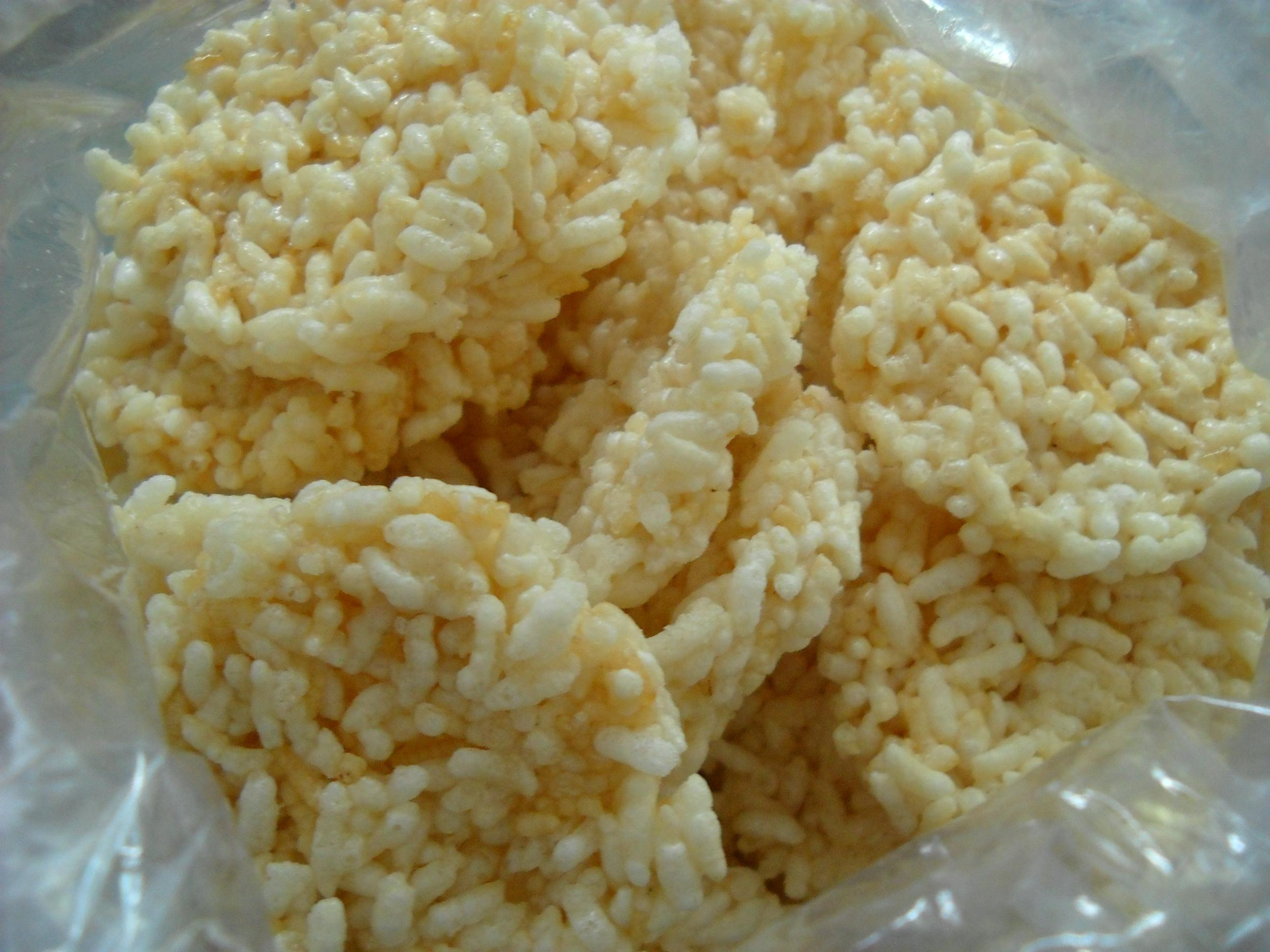
Rengginang: Traditional Javanese Rice Cracker
Rengginang is a traditional Indonesian cracker made from glutinous rice that is steamed, seasoned, shaped into flat rounds, sun-dried, and deep-fried. Unlike other krupuk made from starch, rengginang retains the visible texture of whole rice grains. It puffs up significantly when fried, becoming light and crispy.
📑 In This Guide
💡 Did You Know?
This authentic recipe has been passed down through generations, preserving the rich flavors of Indonesian cuisine.
🛒 Ingredients
- 500 g glutinous rice
- 300 g sticky rice
- 200 ml thick coconut milk
- 3 garlic smooth
- 1 tsp salt
- 1/2 tsp shrimp paste Grill
- cooking oil to taste
👨🍳 Instructions
- Soak campuran rice glutinous rice and rice pulen semalam
- Steam rice until setengah cooked
- Tuangkan coconut milk, garlic, salt, and shrimp paste
- stir well and Steam again until cooked
- Take sesendok rice, flatten on top of bamboo tray
- sun dry on bawah sinar matahari until completely dry
- Store in wadah kedap udara
- Fry in oil hot saat ingin served
💡 Tips
The sun-drying process must be optimal for at least 2 days so the rengginang is completely dry. Store in a dry place for longevity.
📜History & Origin
The Story Behind This Dish
Rengginang is a traditional cracker that has existed since the Javanese kingdoms period. This cracker is often served as a complement in traditional ceremonies and religious celebrations.
🔥Cooking Mastery
Technique
Steaming, sun-drying until completely dry, then deep-frying in hot oil.
🗺️Regional Variations
Regional Differences
Shrimp rengginang, anchovy rengginang, and original rengginang are common variations found in the market.
🥗Nutrition & Dietary Info
Nutritional Profile
Carbohydrates from glutinous rice. Protein from coconut milk and shrimp paste. Contains minerals from rice and spices.
❓Frequently Asked Questions
What is Rengginang: Traditional Javanese Rice Cracker?
Rengginang is a traditional Indonesian cracker made from glutinous rice that is steamed, seasoned, shaped into flat rounds, sun-dried, and deep-fried. Unlike other krupuk made from starch, rengginang retains the visible texture of whole rice grains. It puffs up significantly when fried, becoming light and crispy.
Where does Rengginang: Traditional Javanese Rice Cracker come from?
Rengginang: Traditional Javanese Rice Cracker originates from Java. It is a beloved traditional dish that has been passed down through generations of Indonesian cooks.
Can I find Rengginang: Traditional Javanese Rice Cracker outside Indonesia?
Rengginang: Traditional Javanese Rice Cracker can be found at Indonesian restaurants and Asian grocery stores in many countries. However, the authentic taste is best experienced in Indonesia. You can also make it at home using the recipe above — many ingredients can be substituted with readily available alternatives.
Why does Rengginang: Traditional Javanese Rice Cracker take so long to cook?
The extended cooking time of 1440 minutes is essential for allowing the spices to fully penetrate the meat and the sauce to reduce to a rich, concentrated consistency. Patience is the secret ingredient — rushing will compromise the authentic taste.
Is Rengginang: Traditional Javanese Rice Cracker difficult to make?
Rengginang: Traditional Javanese Rice Cracker requires moderate cooking skills. While the steps are clear, some techniques need practice.
Can I use light coconut milk for Rengginang: Traditional Javanese Rice Cracker?
While light coconut milk can be used, the traditional recipe calls for thick coconut milk (santan kental) for authentic richness and flavor.
How do I store leftover Rengginang: Traditional Javanese Rice Cracker?
Store leftover Rengginang: Traditional Javanese Rice Cracker in an airtight container in the refrigerator for up to 4-5 days. The flavors actually improve overnight as the spices continue to meld.
🍽️You Might Also Like


🍚Serve With
🥘Recipes Using Similar Ingredients
← Previous Recipe
Emping Melinjo: Gnetum Gnemon Seed Cracker
West Java
Next Recipe →
Kue Lapis Legit: Indonesian Layer Cake
Jakarta
Recipe researched by the NusantaraEats Editorial Team
This recipe has been carefully researched, tested, and documented to preserve authentic Indonesian culinary traditions. Sources include traditional cookbooks, regional culinary experts, and cultural heritage references from Indonesia.