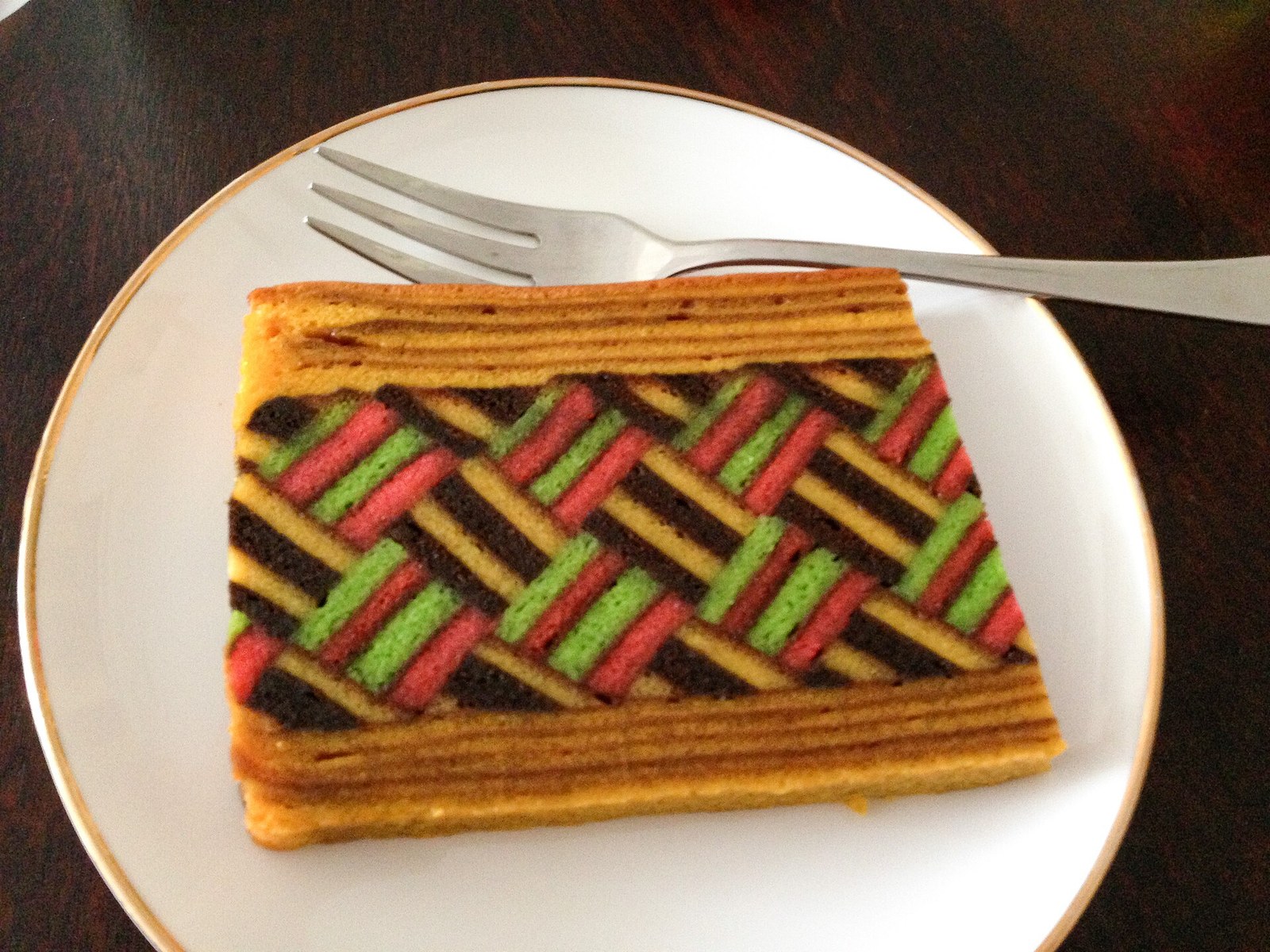
Kue Lapis Legit: Indonesian Layer Cake
Kue lapis legit, also known as spekkoek, is a rich, dense Indonesian layer cake consisting of dozens of thin alternating layers. Each layer is individually baked to perfection before the next is added. The cake is heavily spiced with cinnamon, nutmeg, and cloves, giving it a distinctive aromatic flavour.
📑 In This Guide
💡 Did You Know?
This authentic recipe has been passed down through generations, preserving the rich flavors of Indonesian cuisine.
🛒 Ingredients
- 300 g butter
- 200 g powdered sugar
- 10 egg
- 150 g all-purpose flour
- 50 g milk powder
- 2 tsp cinnamon powder
- 1/2 tsp nutmeg powder
- 1/4 tsp cloves powder
- 1/4 tsp cardamom powder
👨🍳 Instructions
- Beat butter and sugar until soft and fluffy
- add egg one by one, Beat well setiap penambahan
- Sift all-purpose flour and milk powder, Mix with bumbu dry
- add campuran flour into dough egg, stir well
- Heat oven with temperature 180 degrees Celsius
- Pour dough thinly on baking tray, Bake until golden brown
- Ulangi proses pengecoran and pemanggangan until dough habis
- let stand cold before cut
💡 Tips
Each layer must be thin and even. Be patient when making every layer. Use low heat to prevent burning.
📜History & Origin
The Story Behind This Dish
Kue Lapis Legit was inspired by Dutch spekkoek and adapted with Indonesian spices. It has become a symbol of luxury and is traditionally served during Eid celebrations.
🔥Cooking Mastery
Technique
Baking layer by layer over low heat gradually, requiring patience and high precision.
🗺️Regional Variations
Regional Differences
Variations include durian, cheese, or coffee flavored Kue Lapis Legit. Some regions add chocolate coloring for variety.
🥗Nutrition & Dietary Info
Nutritional Profile
High in calories and fat from butter and eggs. Contains carbohydrates from sugar and flour. Rich in spices.
❓Frequently Asked Questions
What is Kue Lapis Legit: Indonesian Layer Cake?
Kue lapis legit, also known as spekkoek, is a rich, dense Indonesian layer cake consisting of dozens of thin alternating layers. Each layer is individually baked to perfection before the next is added. The cake is heavily spiced with cinnamon, nutmeg, and cloves, giving it a distinctive aromatic flavour.
Where does Kue Lapis Legit: Indonesian Layer Cake come from?
Kue Lapis Legit: Indonesian Layer Cake originates from Jakarta. It is a beloved traditional dish that has been passed down through generations of Indonesian cooks.
Can I find Kue Lapis Legit: Indonesian Layer Cake outside Indonesia?
Kue Lapis Legit: Indonesian Layer Cake can be found at Indonesian restaurants and Asian grocery stores in many countries. However, the authentic taste is best experienced in Indonesia. You can also make it at home using the recipe above — many ingredients can be substituted with readily available alternatives.
Is Kue Lapis Legit: Indonesian Layer Cake difficult to make?
Kue Lapis Legit: Indonesian Layer Cake is a challenging dish that rewards patience and attention to detail.
How do I store leftover Kue Lapis Legit: Indonesian Layer Cake?
Store leftover Kue Lapis Legit: Indonesian Layer Cake in an airtight container in the refrigerator for up to 4-5 days. The flavors actually improve overnight as the spices continue to meld.
🍽️You Might Also Like

🍚Serve With
🗺️More from Jakarta
🥘Recipes Using Similar Ingredients
← Previous Recipe
Rengginang: Traditional Javanese Rice Cracker
Java
Next Recipe →
Kue Lapis Surabaya: Surabaya Layer Cake
Surabaya, East Java
Recipe researched by the NusantaraEats Editorial Team
This recipe has been carefully researched, tested, and documented to preserve authentic Indonesian culinary traditions. Sources include traditional cookbooks, regional culinary experts, and cultural heritage references from Indonesia.