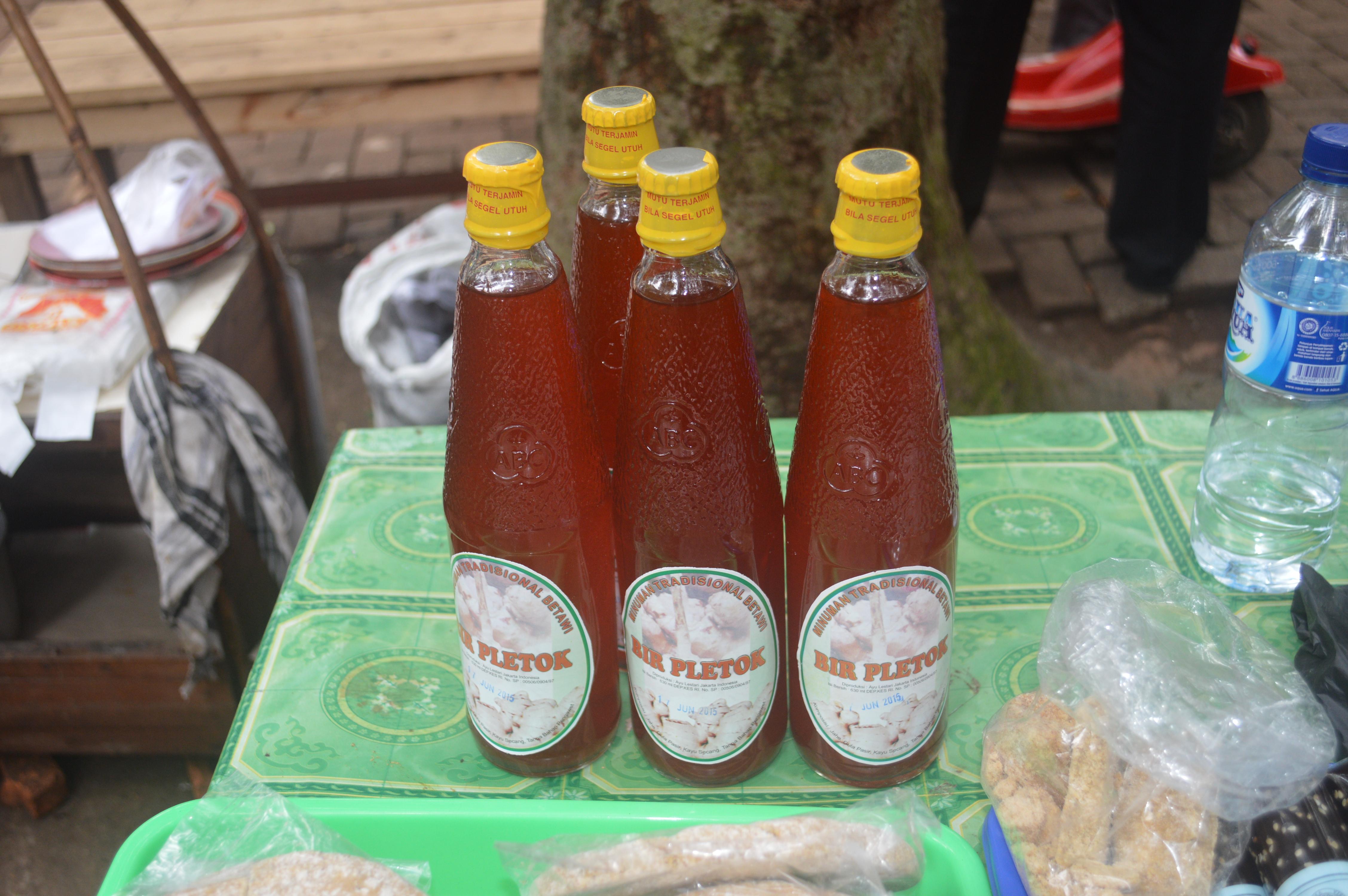
Bir Pletok: Betawi Spice Drink
A non-alcoholic Betawi drink that looks like beer but is actually a spiced drink made with ginger, lemongrass, and various spices. The foam on top gives it a beer-like appearance.
📑 In This Guide
💡 Did You Know?
This authentic recipe has been passed down through generations, preserving the rich flavors of Indonesian cuisine.
🛒 Ingredients
- 5 cm ginger, crushed
- 3 lemongrass stalks
- 3 cm cinnamon stick
- 3 cloves
- 2 cardamom pods
- 2 pandan leaves
- 100 g palm sugar
- 1 liter water
- Food coloring (optional)
👨🍳 Instructions
- Combine all spices and water in a pot.
- Bring to a boil and simmer for 15-20 minutes.
- Add palm sugar until dissolved.
- Strain.
- Pour vigorously from a height to create foam.
- Serve in tall glasses.
❓Frequently Asked Questions
What is Bir Pletok: Betawi Spice Drink?
A non-alcoholic Betawi drink that looks like beer but is actually a spiced drink made with ginger, lemongrass, and various spices. The foam on top gives it a beer-like appearance.
Where does Bir Pletok: Betawi Spice Drink come from?
Bir Pletok: Betawi Spice Drink originates from Indonesia. It is a beloved traditional dish that has been passed down through generations of Indonesian cooks.
Is Bir Pletok: Betawi Spice Drink served hot or cold?
Bir Pletok: Betawi Spice Drink is typically served cold with ice. The refreshing taste makes it perfect for tropical Indonesian weather.
Is Bir Pletok: Betawi Spice Drink difficult to make?
Bir Pletok: Betawi Spice Drink requires moderate cooking skills. While the steps are clear, some techniques need practice.
How do I store leftover Bir Pletok: Betawi Spice Drink?
Store leftover Bir Pletok: Betawi Spice Drink in an airtight container in the refrigerator for up to 1-2 days. For best taste, consume fresh.
🍽️You Might Also Like
🍚Serve With
🗺️More from Indonesia
🥘Recipes Using Similar Ingredients
Recipe researched by the NusantaraEats Editorial Team
This recipe has been carefully researched, tested, and documented to preserve authentic Indonesian culinary traditions. Sources include traditional cookbooks, regional culinary experts, and cultural heritage references from Indonesia.