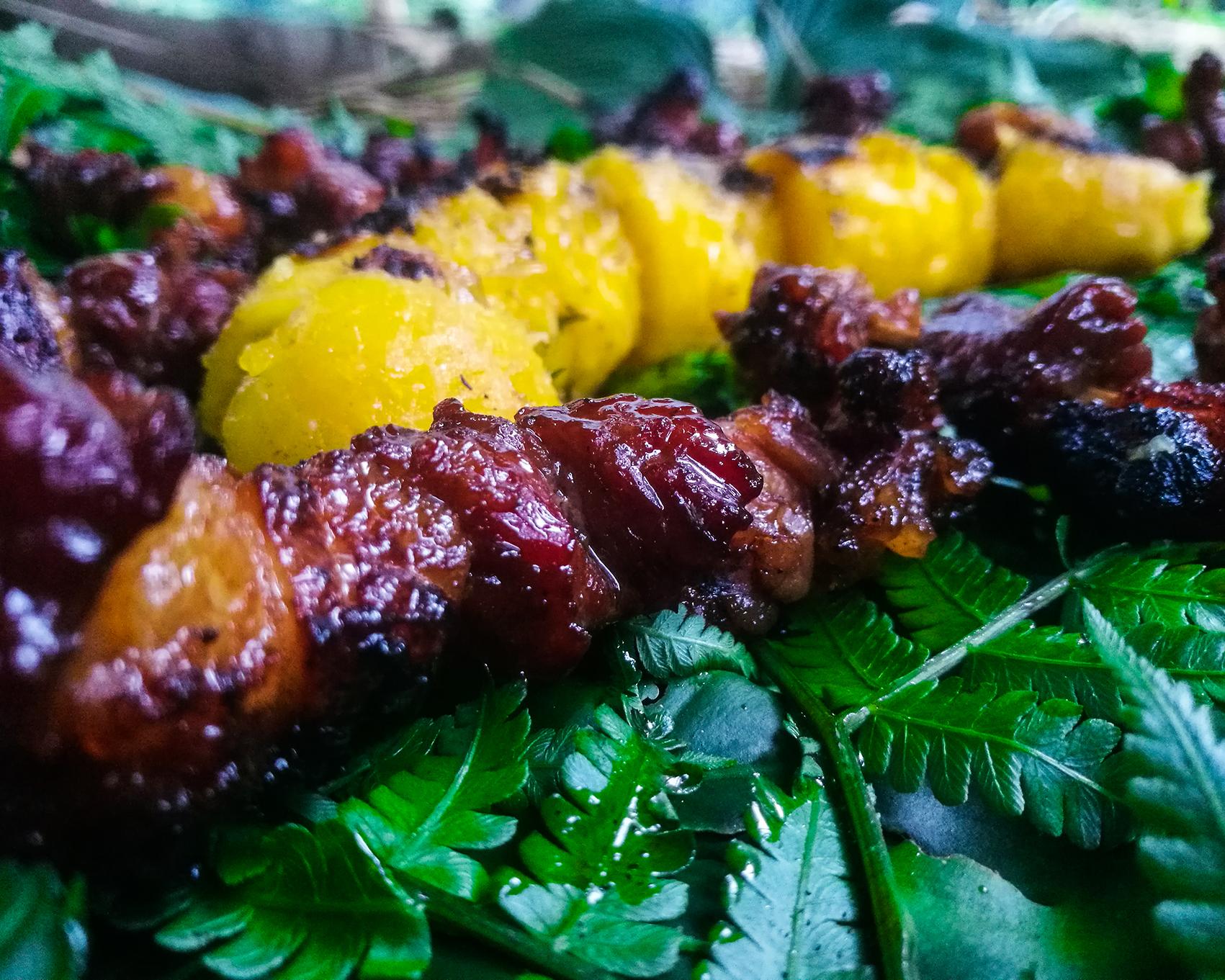
Sate Sapi: Beef Satay
Sate Sapi is a traditional grilled dish from Java. This authentic Indonesian recipe features rich flavors and aromatic spices.
📑 In This Guide
💡 Did You Know?
This authentic recipe has been passed down through generations, preserving the rich flavors of Indonesian cuisine.
🛒 Ingredients
- 500g beef cubed
- 200g peanuts ground
- 3 tbsp sweet soy
- 5 shallots
- 3 garlic
- chili
- palm sugar
- skewers
- rice cake
👨🍳 Instructions
- Skewer beef
- Mato peanut sauce
- Cook sauce sweet soy palm sugar
- Grill charcoal
- Serve rice cake
💡 Tips
Do not overcook beef.
❓Frequently Asked Questions
What is Sate Sapi: Beef Satay?
Sate Sapi is a traditional grilled dish from Java. This authentic Indonesian recipe features rich flavors and aromatic spices.
Where does Sate Sapi: Beef Satay come from?
Sate Sapi: Beef Satay originates from Java. It is a beloved traditional dish that has been passed down through generations of Indonesian cooks.
What type of grill works best for Sate Sapi: Beef Satay?
Traditional Sate Sapi: Beef Satay is best cooked over charcoal (arang) for authentic smoky flavor. However, a gas grill or grill pan works well too. The key is maintaining medium-high heat and turning regularly for even cooking.
Is Sate Sapi: Beef Satay difficult to make?
Sate Sapi: Beef Satay is rated as easy, making it perfect for home cooks of all skill levels.
How can I adjust the spiciness of Sate Sapi: Beef Satay?
The spiciness can be easily adjusted by modifying the amount of chili peppers. For milder versions, reduce or omit the bird's eye chilies (cabe rawit).
How do I store leftover Sate Sapi: Beef Satay?
Store leftover Sate Sapi: Beef Satay in an airtight container in the refrigerator for up to 4-5 days. The flavors actually improve overnight as the spices continue to meld.
🍽️You Might Also Like



🥘Recipes Using Similar Ingredients
← Previous Recipe
Nasi Kotak: Boxed Rice Meal
Nationwide
Next Recipe →
Nasi Kuning: Turmeric Yellow Rice
Java
Recipe researched by the NusantaraEats Editorial Team
This recipe has been carefully researched, tested, and documented to preserve authentic Indonesian culinary traditions. Sources include traditional cookbooks, regional culinary experts, and cultural heritage references from Indonesia.