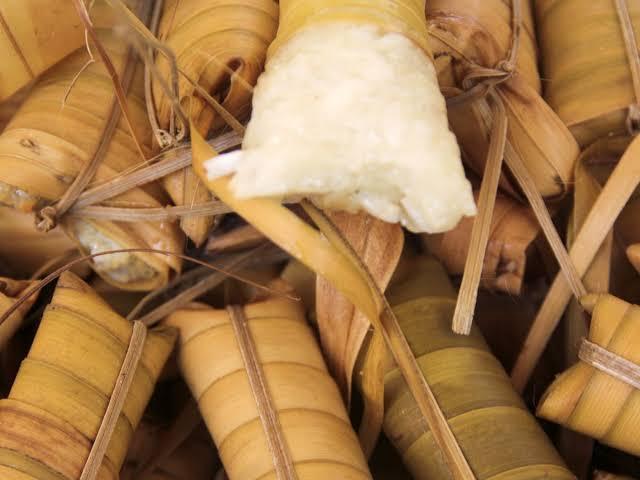
Lepet: Glutinous Rice Dumpling in Coconut Leaf
Lepet is a traditional Indonesian snack made from glutinous rice mixed with coconut milk and peanuts, wrapped in young coconut leaves (janur) and boiled for several hours. The result is a sticky, savoury rice cake with a distinct aroma from the coconut leaves. It is particularly popular during religious celebrations.
📑 In This Guide
💡 Did You Know?
This authentic recipe has been passed down through generations, preserving the rich flavors of Indonesian cuisine.
🛒 Ingredients
- 500 g glutinous rice
- 300 ml thick coconut milk
- 100 g peanuts Boil
- 2 sheets pandan leaves
- 1 tsp salt
- Janur (leaves coconut muda) for wrapping
👨🍳 Instructions
- Soak rice glutinous rice semalam, Drain
- Mix glutinous rice with coconut milk, salt, and pandan leaf
- Take sesheet janur, isi with glutinous rice and beberapa kacang
- Wrap until membentuk silinder small, ikat with tali janur
- Boil in water mendidih selama 2-3 hours until cooked sempurna
- Remove and let stand cold before served
💡 Tips
Make sure the coconut leaf wrappers are tight enough so they do not open during boiling. Boil with plenty of water for even cooking.
📜History & Origin
The Story Behind This Dish
Lepet has existed since ancient times and is often served during Nyepi celebrations in Bali and Javanese ceremonies.
🔥Cooking Mastery
Technique
Wrapping in coconut leaves and boiling for a long time until the glutinous rice is fully cooked.
🗺️Regional Variations
Regional Differences
In Bali, Lepet is often filled with red beans. In Sumatra, there is Lepet filled with meat.
🥗Nutrition & Dietary Info
Nutritional Profile
High carbohydrates from glutinous rice. Protein from peanuts. Fat from coconut milk provides a savory flavor.
❓Frequently Asked Questions
What is Lepet: Glutinous Rice Dumpling in Coconut Leaf?
Lepet is a traditional Indonesian snack made from glutinous rice mixed with coconut milk and peanuts, wrapped in young coconut leaves (janur) and boiled for several hours. The result is a sticky, savoury rice cake with a distinct aroma from the coconut leaves. It is particularly popular during religious celebrations.
Where does Lepet: Glutinous Rice Dumpling in Coconut Leaf come from?
Lepet: Glutinous Rice Dumpling in Coconut Leaf originates from Java. It is a beloved traditional dish that has been passed down through generations of Indonesian cooks.
Can I find Lepet: Glutinous Rice Dumpling in Coconut Leaf outside Indonesia?
Lepet: Glutinous Rice Dumpling in Coconut Leaf can be found at Indonesian restaurants and Asian grocery stores in many countries. However, the authentic taste is best experienced in Indonesia. You can also make it at home using the recipe above — many ingredients can be substituted with readily available alternatives.
Is Lepet: Glutinous Rice Dumpling in Coconut Leaf difficult to make?
Lepet: Glutinous Rice Dumpling in Coconut Leaf requires moderate cooking skills. While the steps are clear, some techniques need practice.
Can I use light coconut milk for Lepet: Glutinous Rice Dumpling in Coconut Leaf?
While light coconut milk can be used, the traditional recipe calls for thick coconut milk (santan kental) for authentic richness and flavor.
How do I store leftover Lepet: Glutinous Rice Dumpling in Coconut Leaf?
Store leftover Lepet: Glutinous Rice Dumpling in Coconut Leaf in an airtight container in the refrigerator for up to 4-5 days. The flavors actually improve overnight as the spices continue to meld.
🍽️You Might Also Like



🍚Serve With
🥘Recipes Using Similar Ingredients
← Previous Recipe
Kue Putu Mangkok: Steamed Rice Flour Cup Cake
Java
Next Recipe →
Wajik Ketan: Sweet Glutinous Rice Cake
Central Java
Recipe researched by the NusantaraEats Editorial Team
This recipe has been carefully researched, tested, and documented to preserve authentic Indonesian culinary traditions. Sources include traditional cookbooks, regional culinary experts, and cultural heritage references from Indonesia.