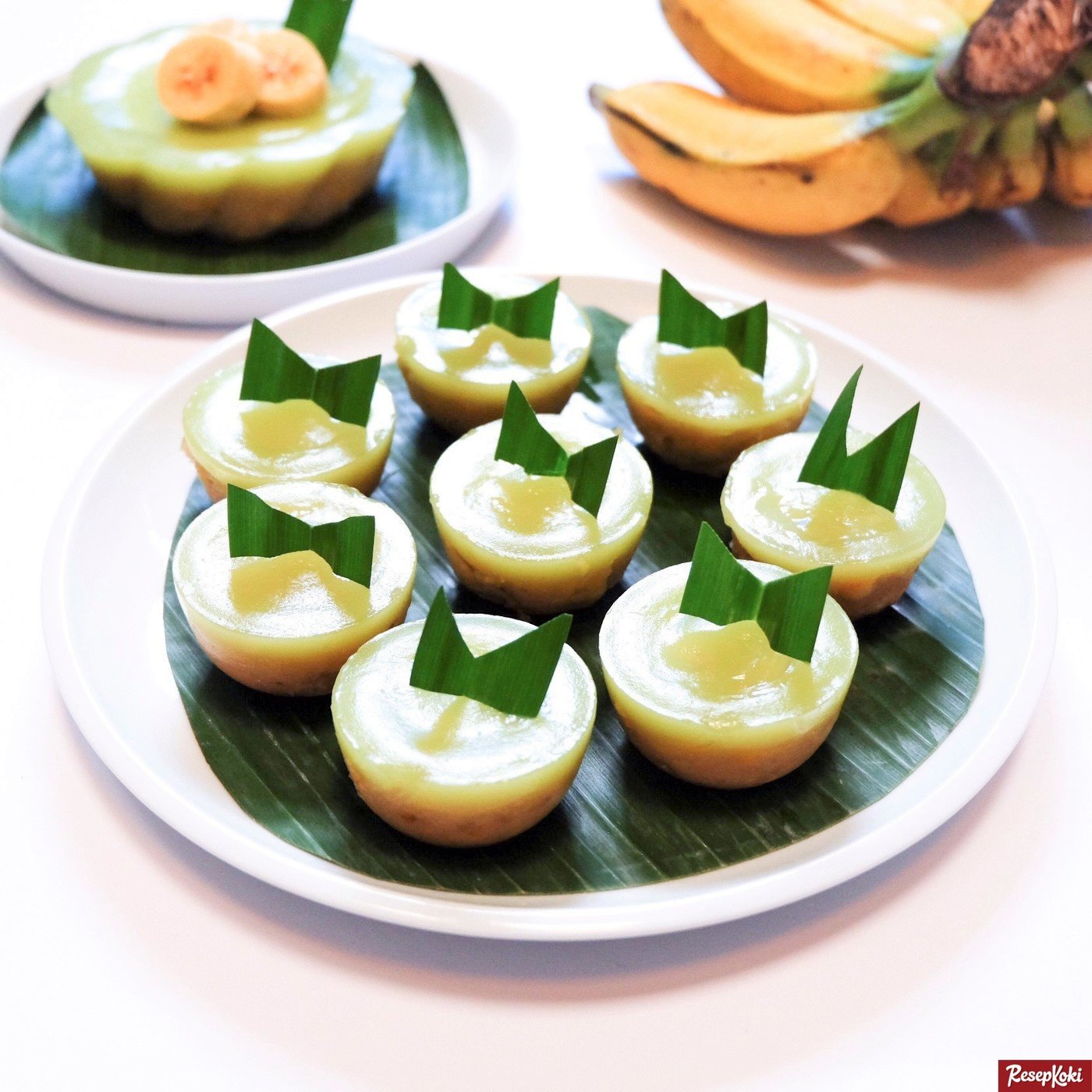
Kue Talam: Steamed Tray Cake
Kue talam is a traditional Indonesian steamed cake made from rice flour and coconut milk, cooked in small moulds or a tray. The cake has a smooth, soft texture with a characteristic sweet and savoury taste. It typically features two layers: a thicker base and a thinner, whiter top layer.
📑 In This Guide
💡 Did You Know?
This authentic recipe has been passed down through generations, preserving the rich flavors of Indonesian cuisine.
🛒 Ingredients
- 200 g rice flour
- 50 g tapioca starch
- 250 ml coconut milk
- 150 g granulated sugar
- 1/4 tsp salt
- green food coloring leaves to taste
- Lapisan atas: 100 g rice flour, 200 ml coconut milk, salt
👨🍳 Instructions
- Mix rice flour, tapioca, sugar, and coconut milk for lapisan bawah
- Stir until dough smooth, add food coloring green
- Pour dough to mold talam yang sudah diolesi oil
- Steam until setengah cooked
- Make lapisan atas: Mix rice flour, coconut milk, and salt
- Pour on top of lapisan pertama yang sudah set
- Steam again until cooked sempurna
- let stand cold then keluarkan dari mold
💡 Tips
Make sure the batter is smooth and lump-free. Steam over medium heat for even cooking.
📜History & Origin
The Story Behind This Dish
Kue Talam has been known since the Javanese kingdoms era and remains an essential traditional market snack.
🔥Cooking Mastery
Technique
Steaming layered rice flour batter with coconut milk until cooked and set.
🗺️Regional Variations
Regional Differences
Pumpkin kue talam, black glutinous rice kue talam, and purple sweet potato kue talam are variations based on the main ingredient.
🥗Nutrition & Dietary Info
Nutritional Profile
Carbohydrates from rice flour. Fat from coconut milk. Low in protein.
❓Frequently Asked Questions
What is Kue Talam: Steamed Tray Cake?
Kue talam is a traditional Indonesian steamed cake made from rice flour and coconut milk, cooked in small moulds or a tray. The cake has a smooth, soft texture with a characteristic sweet and savoury taste. It typically features two layers: a thicker base and a thinner, whiter top layer.
Where does Kue Talam: Steamed Tray Cake come from?
Kue Talam: Steamed Tray Cake originates from Java. It is a beloved traditional dish that has been passed down through generations of Indonesian cooks.
Can I find Kue Talam: Steamed Tray Cake outside Indonesia?
Kue Talam: Steamed Tray Cake can be found at Indonesian restaurants and Asian grocery stores in many countries. However, the authentic taste is best experienced in Indonesia. You can also make it at home using the recipe above — many ingredients can be substituted with readily available alternatives.
Is Kue Talam: Steamed Tray Cake difficult to make?
Kue Talam: Steamed Tray Cake is rated as easy, making it perfect for home cooks of all skill levels.
Can I use light coconut milk for Kue Talam: Steamed Tray Cake?
While light coconut milk can be used, the traditional recipe calls for thick coconut milk (santan kental) for authentic richness and flavor.
How do I store leftover Kue Talam: Steamed Tray Cake?
Store leftover Kue Talam: Steamed Tray Cake in an airtight container in the refrigerator for up to 4-5 days. The flavors actually improve overnight as the spices continue to meld.
🍽️You Might Also Like


🍚Serve With
🥘Recipes Using Similar Ingredients
← Previous Recipe
Wingko Babat: Semarang Coconut Cake
Semarang, Central Java
Next Recipe →
Kue Putu Mangkok: Steamed Rice Flour Cup Cake
Java
Recipe researched by the NusantaraEats Editorial Team
This recipe has been carefully researched, tested, and documented to preserve authentic Indonesian culinary traditions. Sources include traditional cookbooks, regional culinary experts, and cultural heritage references from Indonesia.