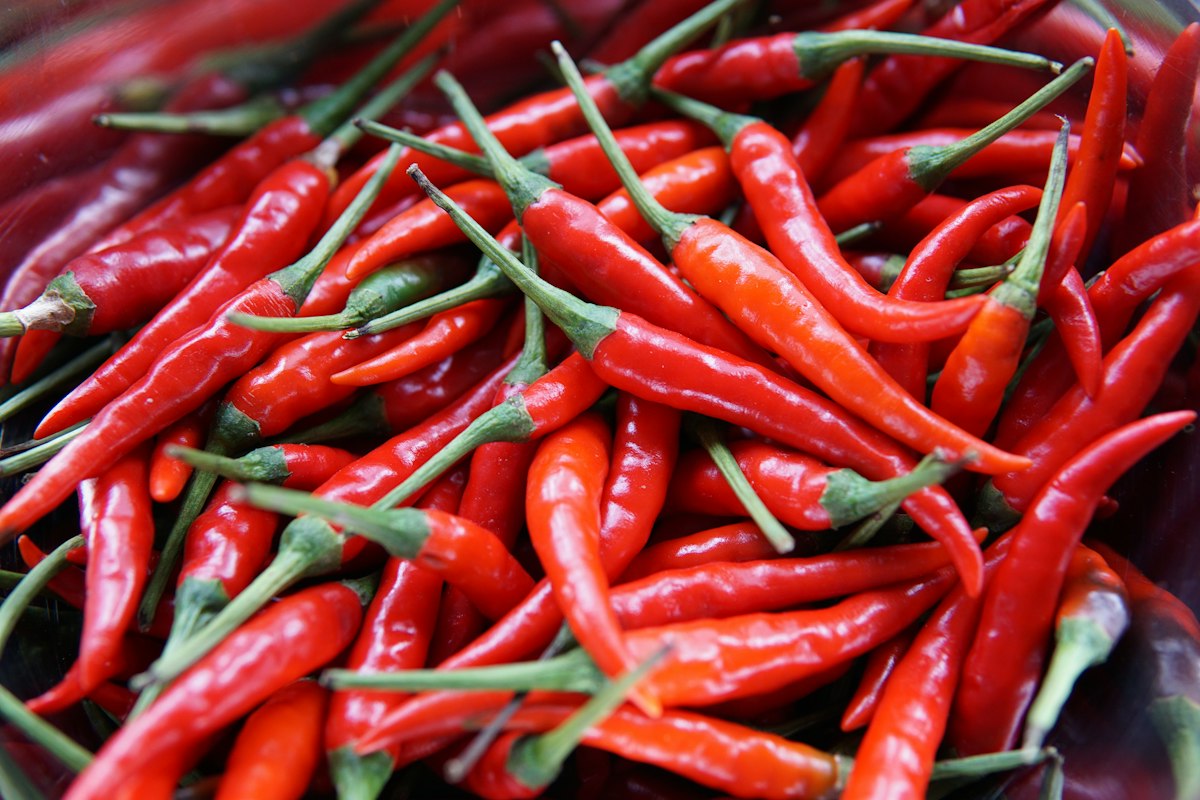
Ask an Indonesian what they cannot live without, and many will answer before you finish the question: sambal. This fiery chili condiment appears at virtually every Indonesian meal — breakfast included — and for many, a dish without sambal is simply incomplete. But what exactly is it, and why does it inspire such devotion?
Sambal in One Paragraph
Sambal is a chili-based condiment made by grinding fresh chilies with salt and complementary aromatics — shallots, garlic, lime, shrimp paste, tomato, or herbs depending on the type. Unlike hot sauces, which are usually vinegar-based and pourable, sambal is typically a thick, coarse paste with visible texture. There are hundreds of regional varieties across the archipelago.
5 Types of Sambal You Should Know
1. Sambal Oelek — The Classic
The simplest form: raw red chilies ground with salt and a squeeze of lime. Bright, sharp, and versatile — the default "sambal" in most Indonesian restaurants abroad. It pairs with everything from Nasi Goreng to fried eggs.
2. Sambal Terasi — The Funky One
Chilies ground with terasi (fermented shrimp paste), often with tomato. Deep, savory, and pungent — this is the sambal of home cooking, essential alongside Tumis Kangkung (stir-fried water spinach).
3. Sambal Matah — Bali's Raw Sensation
From Bali: raw shallots, lemongrass, and bird's eye chilies chopped fine and dressed with hot coconut oil and lime. Fresh, crunchy, and aromatic — nothing like a cooked paste. Traditionally served with grilled fish like Ikan Bakar Jimbaran.
4. Sambal Bajak — The Sweet Dark One
Central Javanese style: chilies slow-cooked with palm sugar, tamarind, and sometimes coconut. Darker, sweeter, and milder — the gateway sambal for heat-shy beginners.
5. Sambal Geprek — The Smashed One
Bird's eye chilies and garlic smashed directly onto fried chicken with hot oil — the namesake of Ayam Geprek, Indonesia's viral smashed-chicken phenomenon. Raw, violent, unforgettable.
How Sambal Is Made
Traditional sambal is ground on a cobek (stone mortar) with a wooden pestle — the slow crushing releases oils differently than a blender's blades, producing a chunkier, more aromatic result. The order matters: salt and chilies first, then aromatics, with acidic ingredients (lime, tomato) last. A food processor works for weeknight sambal; a mortar is worth it for weekends.
Heat control: Indonesian bird's eye chilies (cabe rawit) are seriously hot — 50,000–100,000 Scoville. Start with fewer than you think, and remember: dairy (not water) tames the burn. A glass of Es Teler is the traditional fire extinguisher.
What Do You Eat Sambal With?
Short answer: everything. Sambal is a meal completer, not a dish in itself. Classic pairings include Nasi Uduk (coconut rice), Sambal Goreng Kentang Ati (where sambal becomes the sauce), grilled fish, fried tempeh, and even plain white rice with a fried egg. Indonesians abroad have been known to carry emergency sambal sachets in their luggage — that is how essential it is.
Where to Buy vs. Making Your Own
Supermarket "sambal oelek" (the rooster-brand jar) is a decent starting point, but it is to real sambal what ketchup is to fresh tomatoes. For the full experience, make it fresh — it takes ten minutes — or explore our recipes that feature sambal as the star, starting with Ayam Geprek.