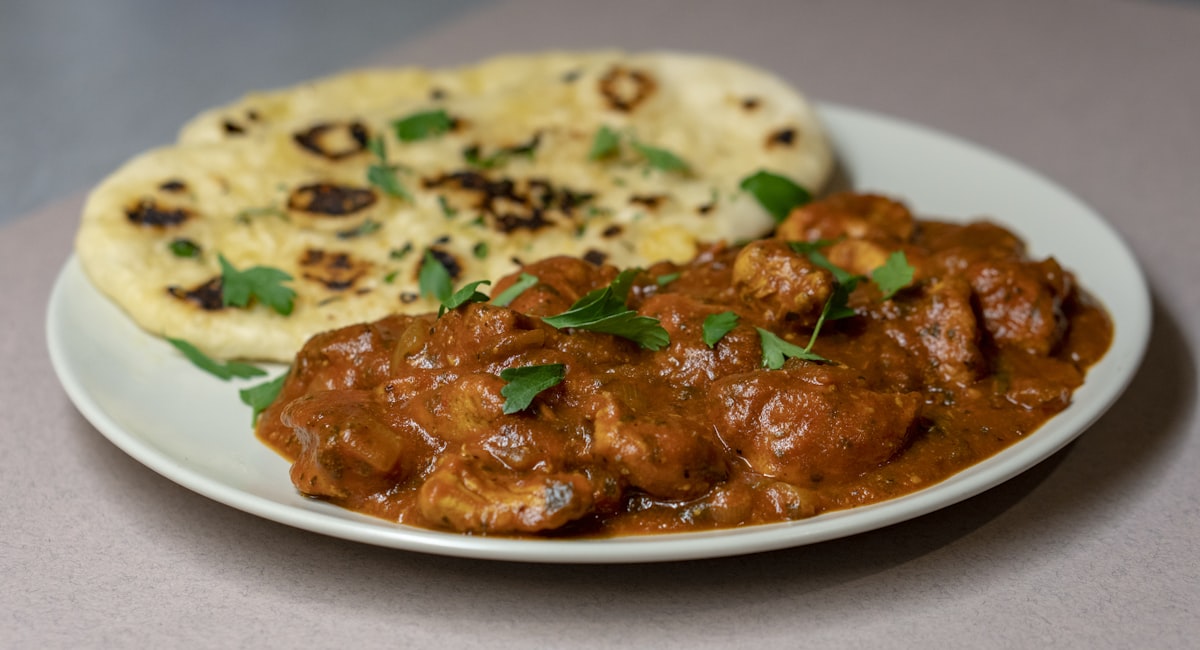
In 2017, CNN readers voted rendang the world's most delicious food — ahead of every curry on the planet. Yet outside Indonesia, rendang is constantly mislabeled as "Indonesian curry." The confusion is understandable: both involve meat, coconut milk, and a kaleidoscope of spices. But rendang and curry are fundamentally different dishes. Here is how to tell them apart.
The Short Answer
Curry is a saucy dish; rendang is a dry one. That single distinction explains almost everything else. A curry is meant to be scooped up with its gravy. Rendang, by contrast, is cooked until the coconut milk completely evaporates and the meat fries in its own caramelized oils — leaving an intensely flavored, almost blackened result with barely any sauce at all.
Cooking Method: Slow Reduction vs. Simmered Sauce
Authentic Beef Rendang Padang takes 3 to 4 hours of patient cooking. Coconut milk is added in stages and reduced until it splits, then the meat continues frying in the rendered coconut oil until dark and concentrated. Most curries — Thai green curry, Indian butter chicken, Japanese kare — are simmered for 30 to 60 minutes and served with abundant gravy. Rendang is not simmered; it is reduced to dryness.
Texture and Appearance
Put the two side by side and the difference is obvious. Curry is glossy and spoonable, designed to be mixed into rice. Rendang is dark brown to nearly black, with meat fibers that have absorbed every drop of spiced coconut. There is no gravy to speak of — just meat lacquered in caramelized spice. If your "rendang" is swimming in orange sauce, what you are eating is closer to Kalio — rendang's wetter, younger cousin, and delicious in its own right.
Flavor Profile
Because rendang cooks so long, its flavors undergo the Maillard reaction — the same browning chemistry behind seared steak and toasted bread. The result is deep, roasted, and complex, with toasted coconut notes you will never find in a quick curry. Curries, by contrast, tend to taste brighter and more "separated": you can pick out the coconut, the chili, the turmeric. In rendang, everything has fused into one dark, unified flavor.
The spectrum: Minangkabau cooks recognize stages — gulai (soupy) → kalio (semi-dry) → rendang (fully dry). Many restaurants serve kalio and call it rendang. True rendang is the driest stage.
Origins and Culture
Rendang comes from the Minangkabau people of West Sumatra, and it was engineered for a nomadic merchant culture: with no moisture left, rendang keeps for weeks without refrigeration — the original travel food. Curry, as a concept, spans India, Thailand, Japan, and beyond, each with its own logic. Calling rendang a curry flattens a dish with its own history, technique, and cultural meaning.
So… Can You Call Rendang a Curry?
Only loosely. If by "curry" you mean "a spiced dish from Asia," then sure. But culinarily, rendang belongs to its own category — slow-reduced dry braise — alongside dishes like Mexican carnitas or Filipino adobo flakes. Next time someone serves you "rendang curry" with a ladle of sauce, you will know exactly what to tell them.
Taste the Real Thing
The best way to understand the difference is to cook it. Our authentic Beef Rendang Padang recipe walks you through the full 4-hour process, and if you are short on time, Rendang Jengkol shows how the same technique transforms humble ingredients.